Image
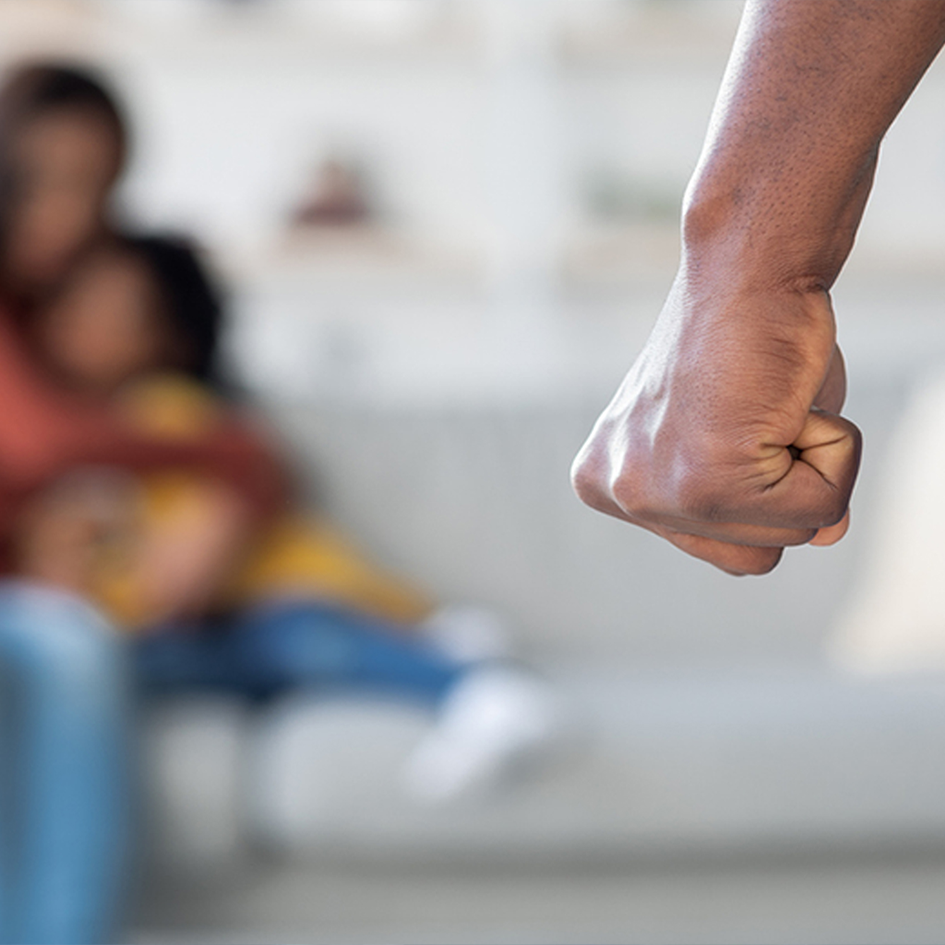
The Impact of Domestic & Family Violence
Domestic and family violence remains one of the most serious challenges facing communities across the world. While it often occurs behind closed doors, its impact reaches far beyond the home, shaping the emotional wellbeing, learning and sense of safety of many young people. For some students, school may be the most stable and secure environment in their lives.
Domestic and family violence is not limited to physical harm. It can include emotional abuse, coercive control, intimidation, financial restriction and technology-facilitated abuse. Children do not need to be directly harmed to feel its effects. Witnessing conflict, living with fear or experiencing instability can influence brain development, concentration, behaviour and relationships. Research consistently shows that a significant number of children grow up in households where domestic violence occurs, increasing the risk of anxiety, depression and ongoing trauma.
By raising awareness, encouraging open conversations and providing clear pathways to support, we can strengthen protection around young people. Here are some practical steps that school communities can take to protect children and adolescents to break the cycle of domestic violence.
Recognise the signs
Domestic violence is not only physical. It includes emotional abuse, coercive control, intimidation, financial restriction, isolation and online harassment. Being able to identify these patterns of behaviour early is critical to protecting those at risk. Warning signs may include sudden behavioural changes, withdrawal, anxiety, excessive responsibility for siblings or secrecy about home life.
Understand its many forms
Domestic and family violence takes many forms: physical, emotional, psychological, sexual, financial and technology-facilitated abuse. Its impact is not confined to the home. It ripples through schools, workplaces and communities. Recognising its broad and often hidden nature is the first step toward prevention and protection.
Acknowledge the impact
Children don’t have to be physically harmed to carry the scars of domestic violence. Witnessing shouting, threats or intimidation can leave them feeling fearful, guilty or responsible. Trauma may manifest as sleep problems, poor concentration, heightened alertness, acting out or withdrawal from friends and schoolwork. Behaviour is often a response to stress, not defiance.
Create safe spaces
Students need to know there are safe, trusted adults they can turn to. For many young people, knowing that school is a predictable, calm and supportive environment can be life-changing. Access to wellbeing staff, counsellors and designated safe spaces helps students feel secure enough to speak up and seek support when they need it most.
Encourage safe help-seeking
Young people may worry about getting a parent into trouble or breaking up their family. It is important to reassure them that violence is never their fault and that seeking help is about safety and support. Creating a culture where concerns can be raised without fear reduces silence and stigma.
Promote respectful relationships
Breaking the cycle of domestic violence requires cultural change. Schools play a vital role by embedding respectful relationships education, modelling equality and kindness, and addressing gender stereotypes and inequality wherever they occur. Reinforcing that violence is never justified, regardless of stress, conflict or circumstance, strengthens accountability.
Strengthen trauma-informed practice
Understanding how trauma affects behaviour and learning enables us to respond with empathy and consistency. Predictable routines, calm communication and supportive interventions can reduce re-traumatisation and help students rebuild a sense of safety.
Mobilise community awareness
Prevention requires broader community engagement. Campaigns such as White Ribbon, encourage honest conversations with men and boys and involve schools, workplaces and communities in visible action. These initiatives reinforce that preventing domestic violence is everyone’s responsibility.
Recognise that anyone can be affected
While women and children are disproportionately impacted by domestic and family violence, it is important to recognise that men can also experience abuse. Domestic violence can affect people of all genders, ages and backgrounds. Ensuring that support is inclusive and accessible to everyone strengthens safety and reduces stigma for those who may feel overlooked or reluctant to seek help.
Ensure culturally safe and inclusive support
Domestic and family violence affects people across all cultures, faiths, communities and socio-economic backgrounds. Responses must be respectful, culturally sensitive and inclusive, ensuring that support services are accessible and responsive to the diverse needs of individuals and families.
Back prevention and intervention programs
Community initiatives, government programs and school-based interventions are critical. Whether it’s early education about respectful relationships, culturally tailored services or programs that provide safe housing, investing in prevention and intervention is how we create sustainable, long-term change.
Know where to seek support
Seeking help is a step toward safety, not blame. If you or someone you know may be experiencing domestic or family violence, it is important to know that support is available. Watch the Special Report on this topic which outlines trusted support services and professional pathways for assistance. In situations where someone is at immediate risk, emergency assistance should always be sought.