Image
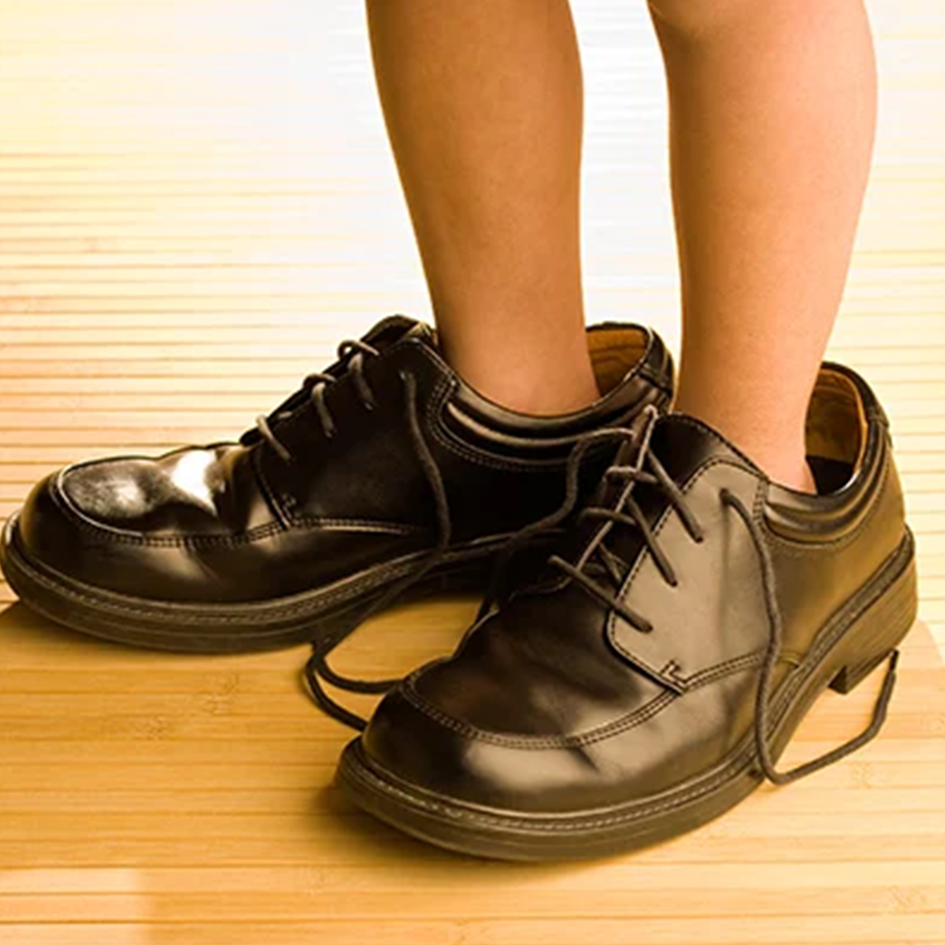
School Transitions
School transitions are a normal and important part of a child’s educational journey, but they can also be a time of uncertainty and heightened emotion. Transitions may include starting school, moving to a new year level, changing schools, or transitioning from primary to secondary settings. Even positive changes can feel overwhelming as children adjust to new environments, routines, expectations and relationships.
Transitions can temporarily disrupt a child’s sense of predictability and security. Some children may feel excited and confident, while others may experience anxiety, worry or resistance to change. These responses are common and do not necessarily indicate long-term difficulties. With understanding, preparation and consistent support, most children adapt well and develop confidence and resilience through the process.
Children’s responses to transitions vary depending on their age, temperament, past experiences and the type of transition involved. Some children may express concerns openly, while others may show changes in behaviour, sleep, mood or engagement with school. Recognising these responses early helps parents and carers provide reassurance and support in calm, effective ways.
Prepare Early and Talk About What to Expect
Where possible, prepare children ahead of time by talking through what will be different and what will stay the same. Clear, age-appropriate explanations help reduce uncertainty. Visiting new environments, meeting teachers, or discussing daily routines can support familiarity and confidence.
Acknowledge Feelings and Normalise Change
Mixed emotions are common during transitions. Let your child know that feeling nervous, unsure or excited is normal. Encourage open conversation without rushing reassurance or dismissing concerns. Feeling understood helps children process change more confidently.
Maintain Routines and Predictability
Consistent routines provide a sense of stability during times of change. Maintaining regular sleep, meals, school attendance and family time supports emotional regulation and helps children feel secure as they adjust.
Use Visual Supports or Transition Plans
Visual schedules, checklists or simple transition plans can help children understand routines and expectations. These supports are particularly helpful for younger children or those who benefit from structure and predictability.
Build Independence Gradually
Transitions often involve increased expectations. Supporting children to develop independence, such as organising belongings, managing routines or problem-solving, helps build confidence and reduces stress over time.
Highlight Strengths and Past Success
Remind children of previous changes they have managed successfully. Reflecting on strengths, skills and coping strategies helps build confidence and reinforces the belief that they can manage new challenges.
Support Connection and Belonging
Strong relationships help children navigate change. Encourage connections with peers, teachers and trusted adults. Feeling known and supported at school plays a key role in successful transitions.
Watch for Signs of Ongoing Difficulty
Temporary changes in behaviour, mood or energy are common during transitions. If concerns persist, intensify, or interfere with daily functioning, seek guidance from your school wellbeing team or a health professional for additional support.
Model Confidence and Calm
Children often take emotional cues from adults. Approaching transitions with calm reassurance, realistic optimism and problem-solving helps children feel safe and capable during change.
Stay Connected with the School
Maintaining open communication with teachers and wellbeing staff helps ensure concerns are identified early and support is aligned. Sharing information supports smoother transitions and consistent responses across home and school.