Image
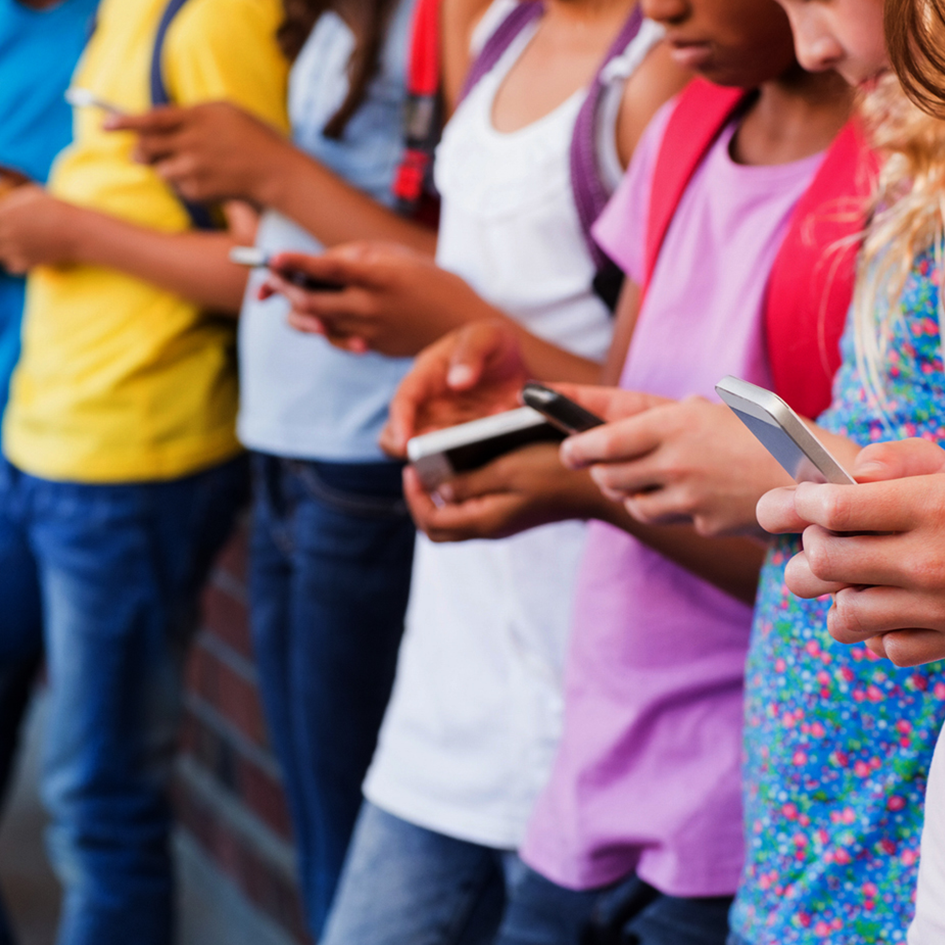
Mobile Phone Separation Anxiety
The use of mobile phones and technology in schools has been a highly debated topic internationally, including in Australia. Almost all states and territories in Australia, have implemented full bans on mobile phones during class, recess, and lunch times, while allowing students to carry their phones during travel to and from school.
Critics argue that there is no evidence supporting the effectiveness of such bans, but this is a mischaracterisation. Studies have shown the positive impacts of mobile phone bans in schools. One study conducted in 2016, found that banning mobile phones led to an increase in student performance, with test scores improving by 6.4% of a standard deviation. Similar studies from Spain and Norway also supported these findings.
For parents concerned about mobile phone separation anxiety in their children, it is important to acknowledge it as a real issue and discuss the negative effects of phone addiction.Implementing such bans in schools allows for better focus on teaching and learning, minimising distractions and interruptions.
Acknowledge the problem
The first step in helping your child cope with mobile phone separation anxiety is acknowledging that it is a real issue. Don’t dismiss your child’s feelings, but instead, let them know that you understand how they feel.
Discuss the effects of phone addiction
Excessive phone use can lead to sleep problems, anxiety and depression. Spending long periods hunched over a phone can also lead to poor posture, eye strain, and headaches. Prolonged exposure to the blue light emitted by phone screens can damage the retina and lead to vision problems.
Introduce phone-free periods at home
The goal is to help them develop the skills necessary to manage their phone use and reduce their dependence on it. Start by designating certain times of the day as phone-free periods, for example, during family meals or game nights.
Set clear expectations and boundaries
Clearly communicate your school’s policy and expectations regarding mobile phone use. By setting boundaries and reinforcing the reasons behind the ban, your child will have a better understanding of the situation and what is expected of them.
Model healthy behaviours
As a parent, it’s important to model healthy phone behaviour. If your child sees you constantly on your phone, they may feel that it’s normal to be constantly connected. Make an effort to disconnect from your phone and engage regularly in activities with your child.
Promote face-to-face interaction
Encourage your child to engage in face-to-face interactions with family and friends, or participate in social activities such as sports teams or volunteering. Engaging in conversations, without the use of phones, will teach them to speak clearly, listen carefully, identify social cues and improve their overall communication skills.
Establish a support network
Encourage your child to talk to friends, teachers, or counsellors about their phone separation anxiety. Having a support network can help alleviate their concerns and provide reassurance during the transition period.
Encourage mindfulness and relaxation
Practicing mindfulness and relaxation techniques, such as deep breathing exercises or meditation can help your child manage their anxiety and stress levels when they don’t have their phone with them. This can be effective in helping them to feel more relaxed, centred and better equipped to cope.
Collaborate with your school
Maintain open communication with your child’s school to stay informed about their progress and any concerns that may arise. Work together to develop strategies to support your child in adapting to the mobile phone ban and addressing their phone separation anxiety.
Seek professional help if necessary
If your child’s mobile phone separation anxiety is severe, seek professional help. A mental health professional can help your child develop coping mechanisms and strategies to manage their anxiety.