Image
Vaping and e-cigarettes
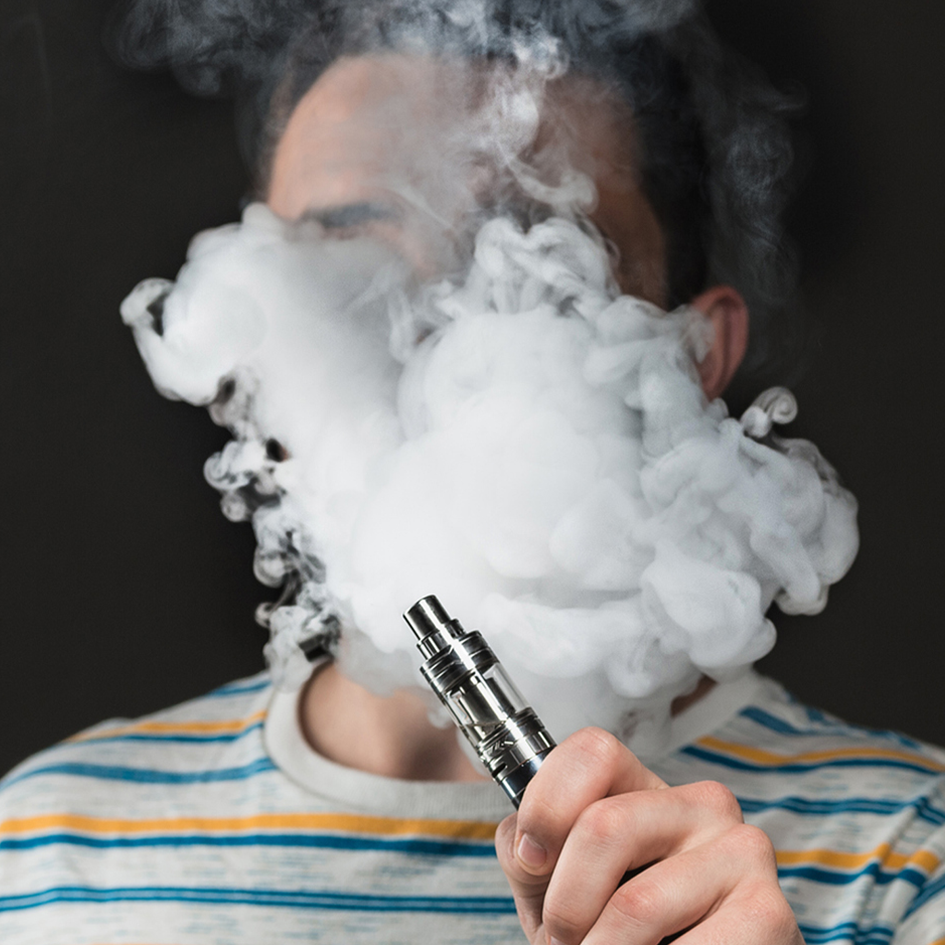
Vaping is the act of inhaling a vapour created by an electronic cigarette, or e-cigarette, that is battery powered. This device heats a flavoured e-liquid to an aerosol that can then be inhaled. There are 2 types of vapes: disposable and refillable. Refillable versions are also rechargeable, often looking like everyday devices such as a USB or pen, making it easier to hide than conventional cigarettes. A vaping device averages about 600 inhalations making it also more cost-effective and appealing to young people. The e-liquids are made up of different flavours, chemicals, additives and can also contain nicotine. However, in Australia it is illegal to use, sell or buy nicotine for use in e-cigarettes. Anyone under the age of 18 is not legally allowed to purchase any type of e-cigarette or vaping product, but teenagers are finding ways to purchase these online.
Why is vaping dangerous?
Although vaping is often marketed as being the “healthy” alternative to smoking, research shows that many of the e-liquids contain chemicals that are likely to be toxic, that when inhaled or vaped repeatedly, can cause severe damage to the lungs. Some e-liquids contain nicotine and are unregulated. Using these product can increase the chances of nicotine addiction in teenagers. Some vaping solutions may also contain Vitamin E acetate, whilst safely used in skin care, when inhaled, can damage the lung in a manner severe enough to require invasive ventilation and intensive care similar to that used in the treatment for Coronavirus.
Know the facts
Understand the facts and learn the basics of vaping products. Think through what you want to discuss, be patient and listen. Avoid being critical. Set a positive example by being tobacco-free.
Approach it calmly
Start by finding the right moment to talk around a joint activity like cooking or walking. Stay casual and calm and perhaps use something you may have seen on the media to start the conversation.
Don’t make assumptions
Avoid making accusations or assumptions that your teen may have tried vaping. Try not to undermine their trust. They need to feel they can be open and have a conversation with you.
Avoid judging or lecturing
Listen to their point of view and be mindful to keep your body language and tone respectful. If you believe they’ve tried vaping ask questions like ‘Why did you try it?’ or ‘How did it make you feel?’
Don’t exaggerate
Express that your concerns are based on research and evidence on how vaping can potentially harm their adolescent brain. Focus on how their development and health is important to you.
Support and information
Lung Foundation Australia 1800 654 301
Quitline 13 78 48
Poisons Information Line 13 11 26
Alcohol and Drug Foundation 1300 85 85 84