Image
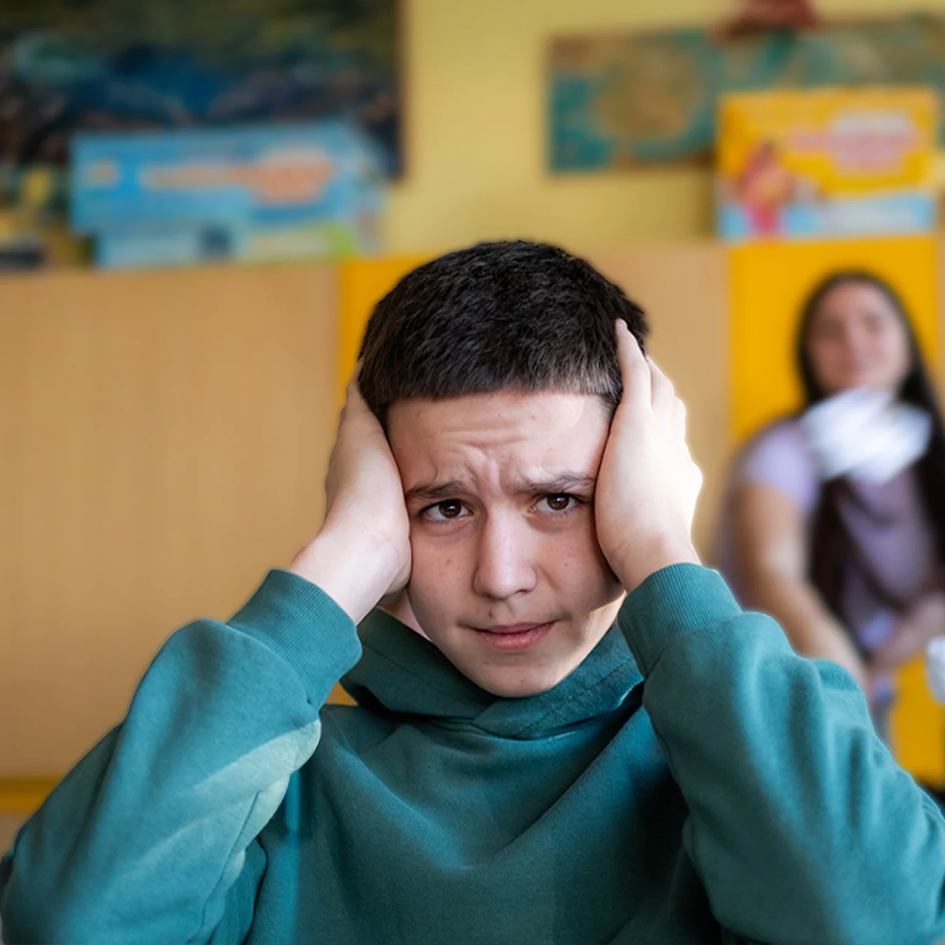
Responding to Peer Pressure
Peer pressure is a natural part of growing up. As children and adolescents place greater importance on friendships and belonging, the influence of peers can shape their choices, behaviour and sense of identity. While this influence can be positive, it can also create pressure to conform or take risks, particularly during adolescence.
Peer pressure can take several forms:
Spoken pressure:
Direct encouragement or persuasion, such as “Come on, everyone’s doing it.”
Unspoken pressure:
Subtle influence, like noticing what others wear, post or buy and feeling the need to copy in order to fit in.
Direct pressure:
Overt demands or dares, such as being pushed to drink alcohol or try vaping.
Indirect pressure:
Less obvious but equally powerful influences, including social media trends or group expectations that suggest “this is what people like me do.”
In today’s digitally connected world, peer pressure extends beyond face-to-face interactions. Social media and online communication expose young people to constant comparison and unspoken expectations about how they should look, act and perform. Understanding how peer pressure works, both on and offline, helps families support young people to build confidence, make healthy decisions and stay connected to their own values.
Here are some strategies that can help young people manage peer pressure.
Start early and talk often
Introduce the idea of peer influence in the primary years. Explain the difference between spoken and unspoken, direct and indirect, and positive and negative peer pressure. Use simple, everyday examples to show that not all pressure is bad, but recognising it matters.
Teach the value of waiting
In a culture of instant gratification, help your child practise patience and persistence. Encourage saving towards goals, working steadily over time and valuing effort as much as achievement.
Build confidence and assertiveness
Children who feel confident are less likely to give in to pressure. Role-play situations where they may need to say “no” or make a different choice, and acknowledge their efforts when they do.
Encourage pause and reflection
Help your child practise slowing down before responding to pressure. Simple questions like “What would happen if I waited?” or “Is this something I’d choose on my own?” can support more thoughtful decision-making.
Discuss online pressures
Talk openly about tech-related peer pressure, including curated selfies, likes and viral challenges. Remind them that social media often presents an unrealistic version of reality and encourage healthy boundaries around devices and apps.
Address FOMO and exclusion
Acknowledge that being left out can hurt. Help your child recognise FOMO (the Fear of Missing Out) and how social media can intensify these feelings. Reinforce that genuine friendships are built on respect and inclusion, not popularity or online approval, and encourage connections across a range of interests and activities.
Encourage positive influence
Highlight moments when peers support positive behaviours, such as studying together, joining a team or helping others. Reinforce that peer influence can also be a powerful force for good.
Model resisting pressure
Share your own experiences of saying no or choosing differently. Show that individuality and integrity are strengths, and that everyone, including adults, experiences pressure at times.
Set clear expectations
Clear family values and boundaries provide a reference point when peer pressure arises. When expectations are discussed early and revisited often, young people are better equipped to say no with confidence.
Stay connected
Strong, open relationships reduce reliance on peers for validation. Regular check-ins, listening without judgement and showing interest in their world help young people feel secure enough to make independent choices.