











 Topic Resources
Image



Over the past two decades, the positive psychology movement has brightened up psychological research with its science of happiness, human potential and flourishing. It argues that psychologists should not only investigate mental illness but also...
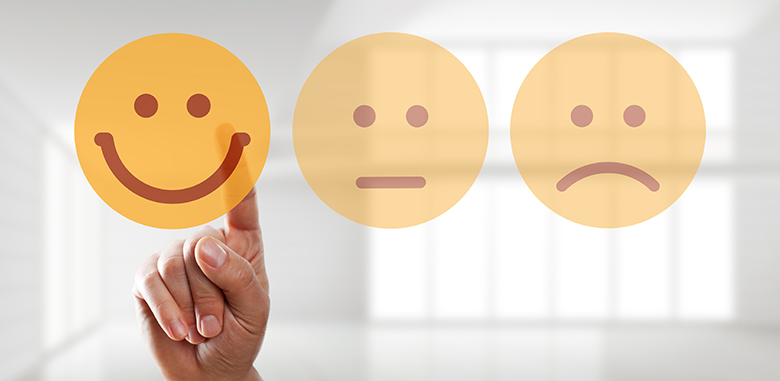




Happiness is defined as the balance of positive and negative emotions, combined with overall life satisfaction. Happiness and gratitude have been studied in positive psychology for many years and researchers have found that gratitude is always strongly associated with greater happiness. Although everyone has their own definition of happiness, many of us want to feel more positive emotions than negative ones. However, negative emotions are still important. They have a lot to teach us and alert us when things need to change. Practising gratitude helps people feel more of the positive emotions, enable us to relish good experiences, improve our overall health, deal with adversity and build strong relationships.

 Full Videos
 All Topics
 Feedback