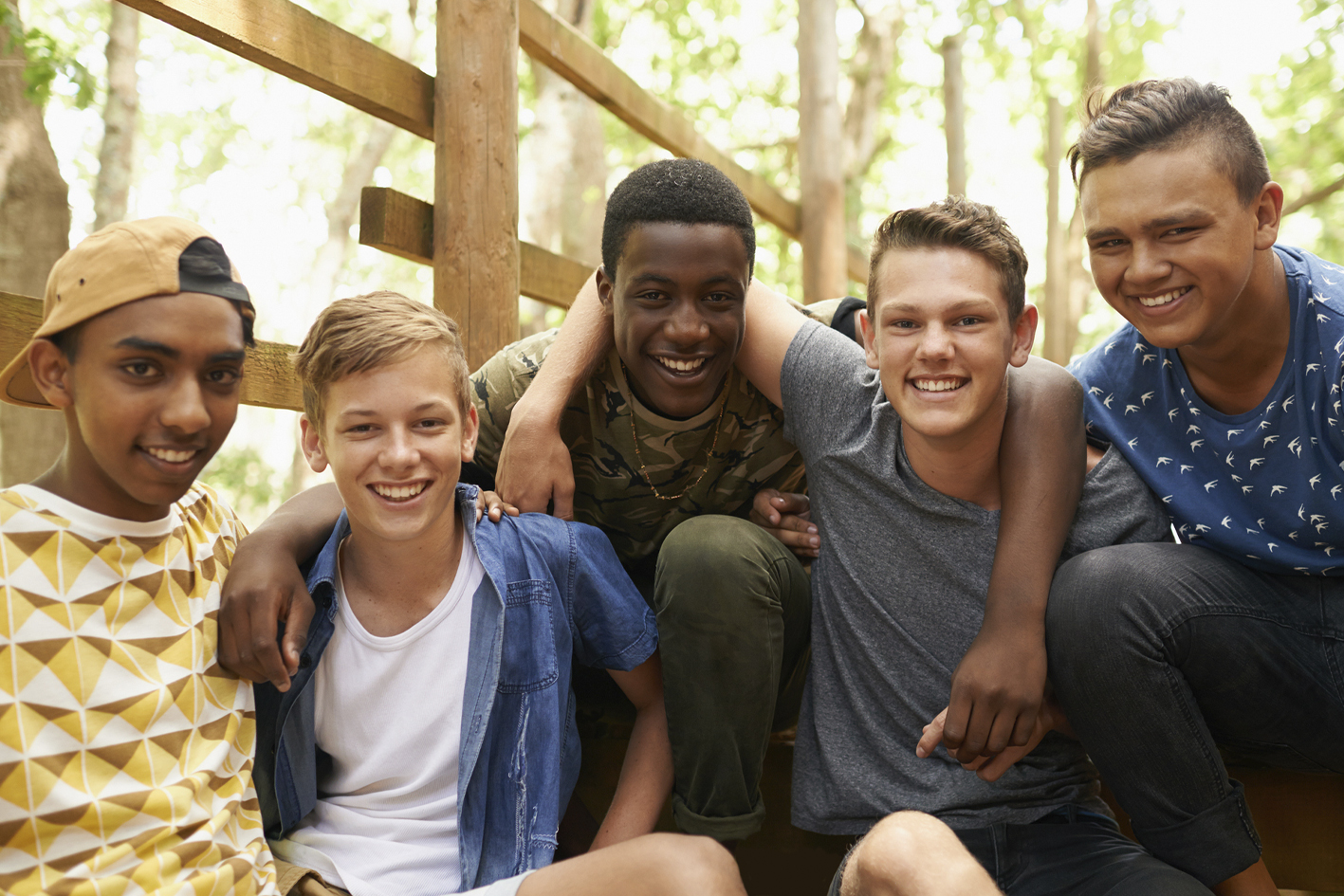
Peer pressure is a normal and inevitable part of growing up. From early childhood through adolescence, young people are constantly influenced by the attitudes, behaviours and expectations of those around them. As friendships become increasingly important, peers can play a powerful role in shaping how children and teenagers think, feel and act.
In today's digitally connected world, peer pressure extends far beyond the classroom or playground. Social media, messaging apps and online communities mean young people are exposed to constant comparison, instant feedback and unspoken expectations about how they should look, behave and perform. While some peer influence can be positive and motivating, it can also place significant pressure on young people to conform, take risks or prioritise acceptance over their own values and wellbeing.
Understanding how peer pressure works, both offline and online, allows parents, caregivers and educators to better support young people as they develop confidence, resilience and decision-making skills. When families and schools work together to build strong connections, open communication and shared language around peer influence, young people are better equipped to resist negative pressure and embrace positive influences that support their growth and wellbeing.