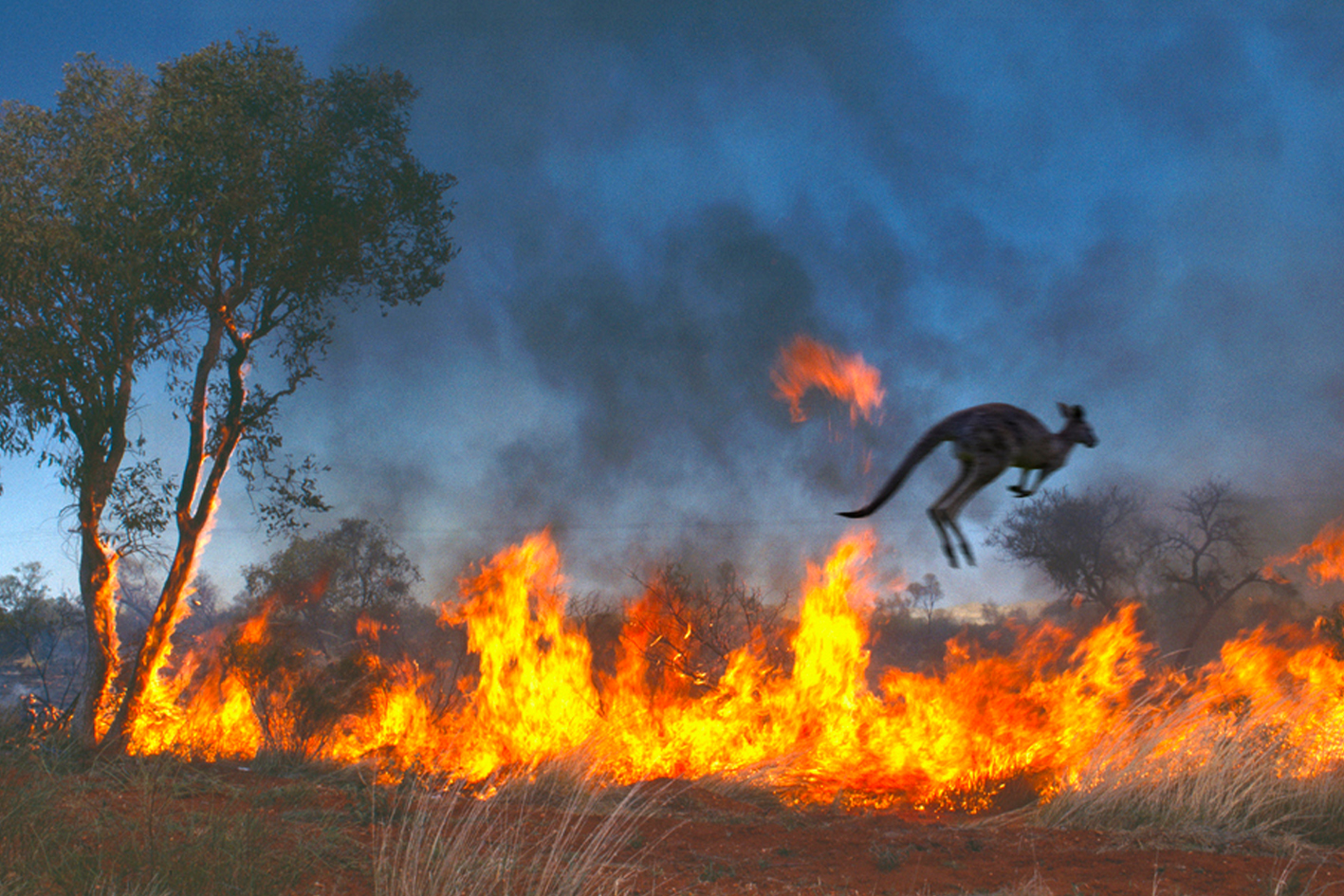
Natural disasters such as flooding can have a significant impact on families and communities. Some people may experience direct loss or disruption to their homes, livelihoods or daily routines, while others may be affected indirectly through media coverage or by supporting those around them. Recovery can involve navigating practical challenges such as repairs, insurance processes and financial pressures, alongside the emotional toll of the event.
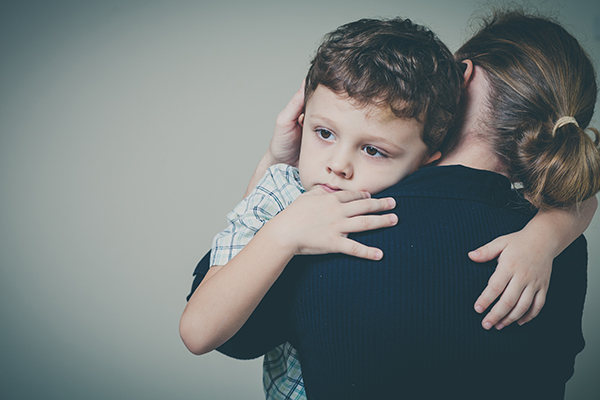
Exposure to a natural disaster, whether experienced firsthand or indirectly, can trigger a range of emotional responses including sadness, anxiety, frustration or low mood. Recognising these reactions as normal can help families better understand what they are experiencing and support more effective coping. During this time, providing reassurance, stability and emotional support to children and young people is particularly important. Giving them opportunities to talk, ask questions and express their feelings can help them process what has happened in a safe and supportive way.
Children and adolescents may respond in different ways, and emotional reactions can vary depending on age, temperament and previous experiences. In many cases, signs of distress ease over the weeks that follow. However, parents and caregivers are encouraged to remain attentive, check in regularly, and continue offering reassurance, helping young people understand that their reactions are common and that support is available if needed.
Phoenix Australia is a national organisation leading research and practice to help individuals and communities understand, prevent and recover from the mental health impacts of trauma. They provide evidence-informed information, resources and training for professionals supporting people affected by disasters. To access these resources, click here.
The MacKillop Institute works with communities, schools and families across Australia. One of its programs, Stormbirds, creates a safe and supportive space for children and young people to develop new ways of thinking and responding to change and loss following natural disaster events. To learn more about the program, click here.
eMHPrac (e-Mental Health in Practice) has also created a factsheet that provides a list of Australian, evidence-based, free, and low-cost digital mental health resources on preventing and managing mental health issues after a natural disaster. To download the pdf, click here.
R U OK? have developed a Mateship Manual that provides practical tools and tips to help you support a family member, friend, neighbour or workmate affected by a natural disaster or an emergency now or into the future. To download, click here.