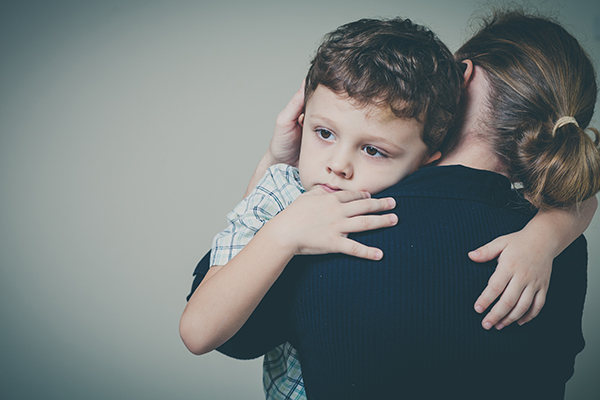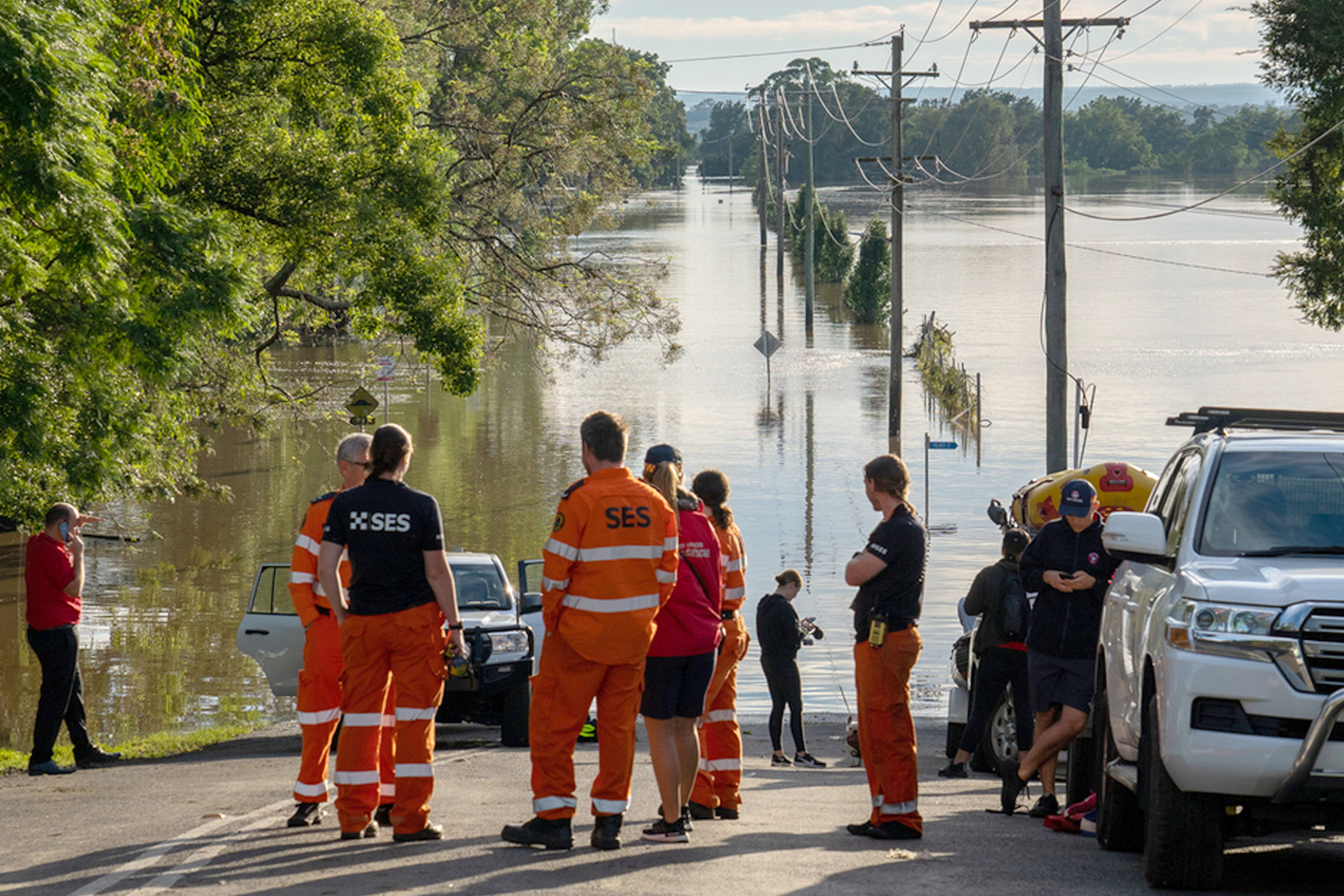
Research shows that large-scale disasters can have an emotional impact on children and young people well beyond the immediate event. Events such as bushfires can be particularly challenging for them to process, even when they are not directly affected. Exposure through news coverage, social media, conversations at home or school, and changes within the community can shape how children perceive danger, loss and their own sense of security.
Feelings of fear, confusion, sadness or helplessness are common, and responses can vary depending on age, temperament, previous experiences and level of exposure. For families, this can raise questions about how much information to share, how to reassure children effectively and how to recognise when additional support may be needed. When children are provided with clear, age-appropriate information, opportunities to express their feelings, and reassurance from calm, trusted adults, they are better able to regulate emotions, cope effectively and recover with confidence over time.